
Key points
- Healthy soils underpin all our land-based environments, including natural ecosystems, agricultural land and our built environments.
- Aboriginal people recognise the interconnectedness of soils with ecosystems and people, and continue to support soils through caring for Country.
- Climate change is affecting our soils through changes to rainfall patterns, rainfall intensity, groundcover and increased erosion and landslide risks from extreme weather events such as bushfire, drought and flood.
- To help protect soils for future generations, climate risk must be systematically integrated into routine soil management and decision-making processes. This includes assessing the local climate risks that affect soils, and identifying and implementing actions that protect the social, cultural, ecological and economic values that soils support.
- The information on this page will help soil managers take a climate-adapted approach to soil management to increase the resilience of NSW soils.
Climate-adapted soil management
Healthy soils underpin NSW’s land-based ecosystems and our multibillion-dollar agriculture industry. They also play an important role in capturing carbon, helping to reduce the extent of climate change.
Soils are formed slowly but degrade quickly when not managed appropriately. Climate change is increasing the risks to our soils through more frequent droughts, storms and bushfires. These risks result in soil erosion from intense rainfall and drought, reduced soil organic carbon (SOC) which affects soil health and productivity, reduced soil nutrients, and changes to soil pH. Careful soil management is needed to reduce the effects of climate change on our soils, environment and economy.
Climate-adapted soil management is an emerging and important field. These management practices boost the resilience of our soils to ensure future productivity and protect the values they support. As a soil manager, you can help soils thrive under increasingly challenging conditions by focusing management actions on protecting and restoring the key social, cultural, environmental and economic values that soils provide.
6As of Adaptation for environmental management refresher
The 6As of Adaptation (6As) applied on this page supports NSW environmental managers in planning, implementing and monitoring a Country-centred, values-based approach to climate-adapted soil management.
The framework is built on 2 interconnected principles:
- We are part of Country, not separate from it: Taking a Country‑centred approach to land and water management supports more sustainable, culturally grounded and ecologically effective practices for climate adaptation.
- NSW environments hold diverse values: All of these values – social, cultural, ecological and economic – should be recognised and considered in decision‑making.
Before you deep-dive into the 6As for climate-adapted soil management, it is recommended that you first review the 6As resource materials to familiarise yourself with the framework and the principles that underpin it.
6As of Adaptation for climate-adapted soil management
Recognise the climate challenge and understand your context
Awareness is about making sure you understand why you need to undertake adaptation planning. In this step, you’ll build your awareness of the key social, cultural, ecological and economic values that soils support at your site. You'll also explore the ways that soils are influenced by climate. You also need to be aware of the requirements of any land uses, programs or policies that will influence your management aim, scope and actions.
What this stage typically involves
- Identifying the values that soils provide at your site by reviewing existing land uses and management plans related to the site, and engaging with Traditional Custodians and stakeholders such as landholders, community groups, and local residents. Examples of values you might identify are acting as a buffer between land and water environments, filtering functions, holding culturally important objects (such as middens), supporting agricultural production, and providing nutrients for native ecosystems.
- Understanding how climate influences the soil's values by reviewing the effects of past climate events, particularly the effects of intense rainfall events and prolonged dry periods which increase erosion risks.
- Setting a meaningful and achievable scope, based on relevant policy and program requirements, land uses, your organisation’s goals, available resources, limitations and opportunities. Documents and legislative frameworks that may inform your approach include the Environment Protection Authority’s event and incident response legislation, relevant threatened species or ecosystem legislation, priorities and programs set by your Local Land Services, requirements of specific carbon crediting schemes (if relevant), and Australia’s Strategy for Nature 2024–2030 and landscape restoration frameworks.
Identify the data, resources and knowledge you’ll need
In this step, you’ll identify information sources and access data to build the evidence base for your analysis of climate risks and to support implementation of your adaptation plan. You may also identify critical knowledge, capacity or data gaps and determine how these will be addressed within current constraints.
What this stage typically involves
- Collecting detailed information and insights about the soil's values from published research and databases, and from deeper engagement with landholders, residents, and local Aboriginal peoples. This will help you understand the variety of the values that soils provide at the site and what’s important to who and why, so you can plan effective management actions.
- Collecting data on the current condition of the site, to help you measure progress and changes. Useful condition data can be collected through fieldwork or sourced online from the Soil and Landscape Grid of Australia (SLGA), the Soil and Land Information System (SALIS), eSPADE, the Soils Near Me NSW app, the Aboriginal Heritage Information Management System, and the SEED portal. You can also review research on soil erosion and rainfall erosivity and soil properties.
- Sourcing climate data to understand how the type, frequency and intensity of climate risks are likely to change in the future. Consult site records and data from the Bureau of Meteorology to understand current trends in climate variables that affect soils and soil cover (vegetation), such as rainfall volume and intensity, and bushfire weather. The Australian Rainfall and Runoff (ARR) Guidelines is a valuable resource to help understand erosion risks to soil. You can also work with local First Nations groups to understand historical changes to the site’s climate and how these changes have affected the condition of the site. For future climate risks, NARCliM climate projections are the recommended projections for NSW. The NSW Climate Change Adaptation Hub also provides climate data and tools.
- Identifying tools for research, risk assessment and decision-making to support you through the process. Review relevant case studies to see what tools an approaches others have taken.
- Investigating suitable options for financial support, such as NSW Government grants and programs for restoration, adaptation and carbon sequestration. NSW Government grants are provided under various programs, including environmental, agricultural or climate grants from your local council. Disaster recovery grants also help fund projects to help restore vegetation and protect soils. Partnerships with community groups, landholders and philanthropic groups can also provide valuable support, especially when implementing actions on the ground.
Understand climate risks to the values
This step involves analysing the information you’ve gathered to gain a deeper understanding of how climate risks affect the values of soils. You’ll refine your findings with your stakeholders to validate your approach and build support for adaptation.
What this stage typically involves
- Selecting and documenting your analysis approach, including risk assessment, decision-making, and tools and methods used. The size of your analysis will depend on the context and scale of your work.
- Refining and prioritising the list of values that soils support, and the sensitivity of those values to climate change. This will help you prioritise your management actions later. When determining the relative importance of each value, consider stakeholder insights alongside the management objectives of any programs and policies that apply to the site, and the principles of the Climate Change (Net Zero Future) Act 2023.
- Understanding the current condition (baseline) of soils at the site so you can measure change and track your progress. To find the baseline, review the sources of condition data you identified in the previous step. Your baseline dataset could cover parameters such as soil organic carbon, soil salinity, soil structure, soil pH, depth of topsoil, soil contamination, vegetation cover, biodiversity, and crop yield data.
- Analysing past, current and projected climate trends and events. This is informed by the climate records and projections you’ve identified and considers how the soil's current condition contributes to climate impacts. For example, the same climate event will likely have a greater impact on degraded soils than on healthy soils.
- Setting a climate-appropriate future condition of the site. This involves focusing on the values that soils support, rather than on specific soil characteristics. For example, a climate-adapted future condition might be for soils to support water quality in an aquatic ecosystem, rather than to maintain the same levels of a certain soil parameter. This allows you to find flexible and effective solutions that work with nature.
- Selecting condition indicators that reflect the key values you want to protect. This will help you achieve your desired future condition and overarching management aim in a way that is feasible in a future climate, rather than trying to maintain the site exactly as it is. For example, you might use an indicator of vegetation cover to measure how well the soil supports native plant growth.
- Ranking your list of climate risks based on their likelihood, severity, timing and consequences for values. To do this, you might use a first-pass risk assessment procedure and generic risk assessment matrix, a threat matrix, or a cost–benefit analysis. Taking a Country-first perspective and talking with local landowners when assessing consequences for values can help you understand the direct and indirect impacts that climate risks may have on all aspects of social, cultural, ecological and economic values.
Identify, prioritise and implement adaptation actions
This step involves assigning adaptation actions to the climate risks you prioritised in the previous step. You’ll identify actions that offer the best protection for the site’s values within your scope and context, and make a plan for implementation.
What this stage typically involves
- Considering if a value can be protected or restored in place, or if transformation, planned relocation, documentation of cultural and social assets, or acceptance of change may be required. For example, it may not be possible to protect coastal soils from increased salinity caused by rising sea levels, so you may need to explore the suitability of nearby areas to support values such as agriculture and wildlife habitat.
- Exploring potential adaptation actions by reviewing current literature around climate-adapted soil management, consulting landholders, and visiting well-managed sites. Check any guidelines relevant to your project (for example, if you are managing soils as part of a carbon scheme).
- Choosing and prioritising actions based on their effectiveness, feasibility, alignment with values and cost of implementation, and your available resources and relevant policy or legislative settings. Depending on your context, you might identify actions such as
- using leaky weirs to slow the flow of water in streams and gullies to reduce erosion and allow sediments to settle
- working with local Aboriginal groups to improve soil health through cultural burning
- using climate-adapted restoration practices to establish vegetation to stabilise riparian zones and soils to reduce erosion risks
- on agricultural land, transitioning to climate-adapted stock and crops, and regenerative farming techniques to maintain soil health.
- Developing a timeline for implementation. Using a pathways approach helps to schedule actions based on urgency, importance, and any triggers for implementation (for example, when a certain threshold is reached).
- Securing support for implementation in the form of funding, collaboration and equipment. Think about what you’ll need, and how you can source it, for example, access to climate-adapted plant stock for revegetating degraded soils (see Climate-adapted restoration practices), erosion control measures, monitoring tools and technology, and technical expertise, such as soil scientists, engineers, and extension officers to guide implementation.
- Building adaptation actions into routine soil management practices, with a focus on flexibility to alter actions as climate change continues to unfold.
Monitor and review your progress
Regular monitoring will help you track your progress and fulfil any specific monitoring requirements of the Integrated Planning and Reporting framework (for local councils) or the reporting requirements of supporting grants or government programs.
Depending on the site’s values and risks and the actions you’ve chosen, you’ll likely need a combination of different monitoring methods.
What this stage typically involves
- Choosing appropriate monitoring techniques for your context. These could include using field-collected data to test soil parameters, remote-sensing data to measure the extent and diversity of vegetation cover, and monitoring soils before and after a burning event to understand the short-term and long-term effects on soils. Traditional Ecological Knowledge (TEK) can help detect early and subtle signs of changing condition – incorporate TEK in your monitoring regime through respectful collaboration with Aboriginal groups and knowledge holders.
- Planning a monitoring regime that suits the values, risks, goals and actions of your adaptation plan. This will support regular data collection to measure changes in the site’s condition (compared with the baseline). For long-term monitoring plans, you may need to increase the frequency of monitoring activities as the climate continues to change.
- Monitoring your identified indicators, along with climate events.
- Reviewing the performance of your actions relative to the baseline and desired future condition and adjusting your approach, actions and priorities according to monitoring data.
- Meeting reporting requirements of relevant programs and policies. If you are managing soils as part of a wider biodiversity or carbon program, you will likely have specific metrics to track and report on.
Share outcomes and learnings
Our knowledge of climate-adapted soil management is still growing. Your experiences can inform and inspire other soil managers to incorporate values-based adaptation into their own planning, warn them about potential pitfalls, and provide valuable information to help them make the right decisions for their site.
What this stage typically involves
- Sharing success stories that acknowledge the contributions of stakeholders. This includes publishing stories jointly with collaborators, and following cultural safety protocols to ensure that traditional knowledge is shared appropriately.
- Encouraging project participants and stakeholders to champion their own successes and contributions to the project.
- Sharing your lessons (successes and challenges) through social media, newsletters, events and networks such as NSW Local Land Services, NSW Soil Knowledge Network, and International Erosion Control Association – Australasia.
Related Information
Land and Soil Information – NSW Government
Soils – NSW Government
Global Soil Partnership – Food and Agriculture Organization of the United States
Climate-smart farming toolkit – Farmers for Climate Action
Principles for sustainable soil management – United Nations Global Compact
Stories and case studies
Find stories and examples to inform your climate-adapted management plan:
40 years of sand dune rehabilitation at Cronulla – case study
Ripping Trial: Rehydration through landscape modification – trial findings
AdaptNSW stories and case studies
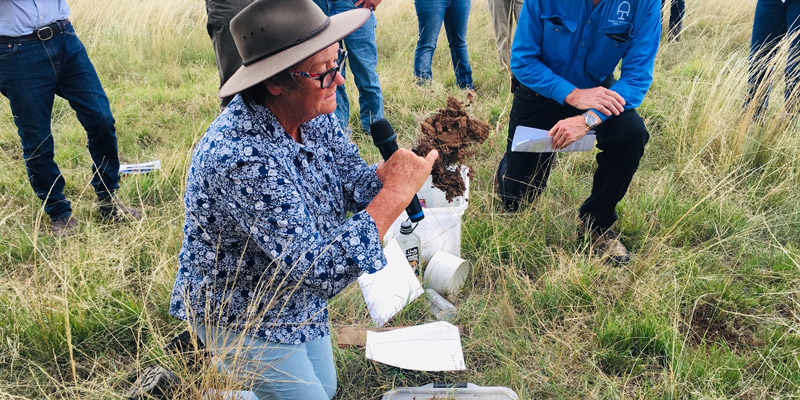
Farming for Change is helping farmers protect and improve the profitability of soil from droughts, bushfires, intense land use and loss of vegetation.
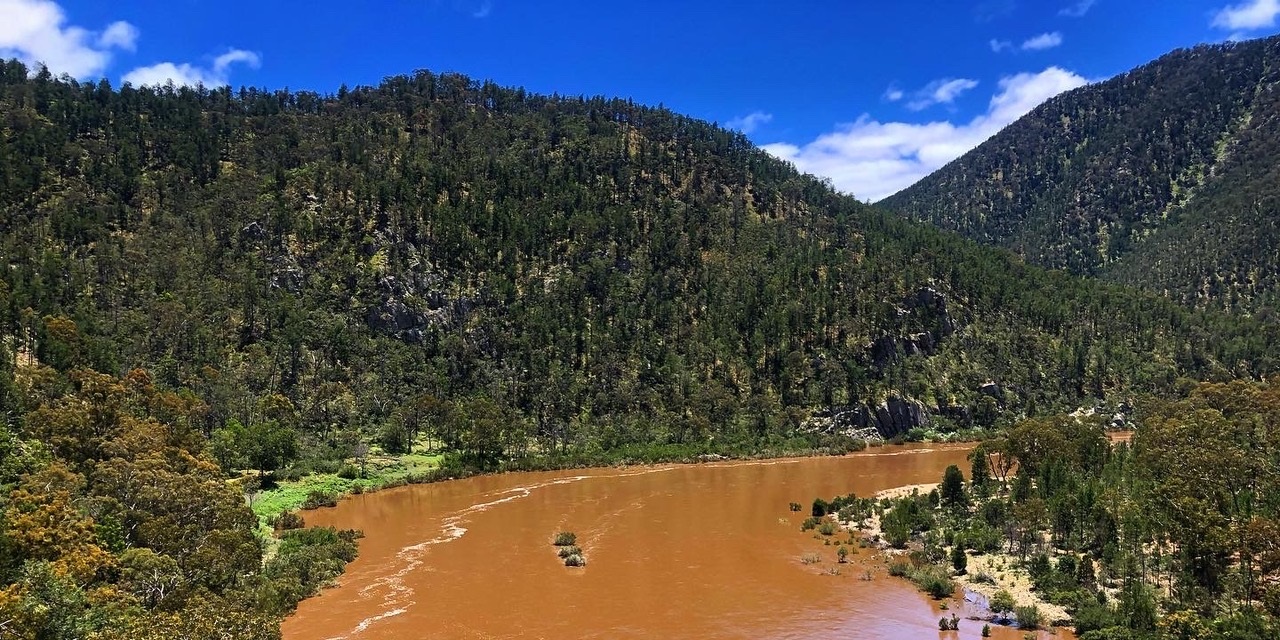
The heavy La Niña rainfall might seem like a welcome relief after years of drought & bushfires, but it is also driving high erosion along the NSW east coast.