
Key points
- Restoring degraded ecosystems helps protect and sustain the NSW environment and the essential services it provides, while strengthening ecosystem resilience, improving climate adaptability, and contributing to carbon offsetting.
- Aboriginal people have maintained strong connections with NSW ecosystems for tens of thousands of years through reciprocal relationships of care. Cultural perspectives and practices support climate-adapted restoration efforts.
- Climate change is affecting NSW ecosystems and species through changes to rainfall patterns, increased temperatures, rising sea levels and more extreme weather events such as bushfire, storms, drought and flood.
- Where native ecosystems are already exposed to other pressures such as weeds, pests, erosion and run-off, the effects of climate change can further exacerbate ecosystem degradation, reducing the resilience of ecosystems. Incorporating assessment of climate change risk and adaptation options into routine restoration planning and decision-making helps to protect NSW ecosystems and the social, cultural, ecological and economic values they provide.
- The information on this page will help environmental managers assess climate change risk and consider adaptation actions to enhance restoration outcomes and increase the resilience of ecosystems and species to climate change.
Planning and implementing climate-adapted restoration
Ecological restoration is the process of assisting an ecosystem to recover from degradation, damage or destruction. It differs from conservation, which aims to maintain the current condition and values of an ecosystem or species.
It is recognised that uncertainties in the characteristics of future ecosystems mean restoration projects may need to be adaptive and more focussed on rehabilitation and enhancing resilience of specific ecosystem functions rather than targeting restoration of a former state that may not be viable under climate change. The term renovation is sometimes used instead of restoration acknowledging that it may not be possible to return to a former reference state.
In this context, adaptation is not the primary objective of restoration, but a process used to manage climate risks identified through assessment. This ensures restoration activities can achieve their intended outcomes under changing climate conditions.
Ecosystem restoration is increasingly recognised as an important tool to support ecosystem-based adaptation and enhance climate change resilience, achieve nature-positive outcomes, improve air-water-soil ecosystem services, support local communities and economies, and promote cultural values tied to nature.
Climate change hinders the success of restoration activities, as well as impacting ecosystems directly. For example, in an ecosystem degraded by land clearing and drought, efforts to restore native vegetation may be challenged by changes in temperature and rainfall patterns. To ensure long-term success of restoration efforts, restoration practitioners must consider how their projects may be affected by climate change risks. This means that informed objectives can be developed and management decisions made, and that effective adaptation actions can be identified and implemented at the right time to help safeguard NSW’s ecosystems against climate change.
As a restoration practitioner, you can take a climate-adapted approach to restoration planning by focusing management actions on restoring the key social, cultural, environmental and economic values that ecosystems provide.
6As of Adaptation for environmental management refresher
The 6As of Adaptation (6As) applied on this page supports NSW environmental managers in planning, implementing and monitoring a Country-centred, values-based approach to climate-adapted restoration practices.
The framework is built on 2 interconnected principles:
- We are part of Country, not separate from it: Taking a Country‑centred approach to land and water management supports more sustainable, culturally grounded and ecologically effective practices for climate adaptation.
- NSW environments hold diverse values: All of these values – ecological, cultural, social and economic – should be recognised and considered in decision‑making.
Before you deep-dive into the 6As for climate-adapted restoration practices, it is recommended that you first review the 6As resource materials to familiarise yourself with the framework and the principles that underpin it.
6As of Adaptation for climate-adapted restoration practices
Recognise the climate challenge and understand your context
Awareness is about understanding your restoration objectives, the values of the site, and how climate influences them, so that potential risks to achieving those objectives can be identified. In this step, you’ll build an understanding of the site’s key social, cultural, ecological and economic values, and how climate change may affect these values and the success of restoration outcomes.
What this stage typically involves
- Identifying the values of the site by reviewing existing management plans and engaging with Traditional Custodians and stakeholders, such as community groups, land users and local residents. Examples of values you might identify are carbon sequestration potential, water quality, habitat for threatened species, cultural foods and medicines, and natural spaces for community wellbeing and ecotourism.
- Understanding how climate influences the ecosystem’s values by reviewing how past climate events have affected restoration efforts, particularly the effects of bushfires, droughts, intense rainfall events and warmer temperatures. These impacts can be diverse and complex depending on the type and severity of the local climate hazards, site condition and context, restoration methods and the target values you’re aiming to restore.
- Understanding how climate change can affect the outcomes of restoration projects; for example, how warming temperatures may affect the success rates of tree plantings.
- Setting a meaningful and achievable scope based on relevant policy requirements, your organisation’s goals, available resources, limitations and opportunities. NSW Government strategies and policies that may affect your scope include Crown land 2031: State Strategic Plan for Crown land and the Biodiversity Conservation Investment Strategy.
Identify the data, resources and knowledge you’ll need
In this step, you’ll identify information sources and access data to build the evidence base for your analysis of climate risks and to support implementation of your adaptation plan. You may also identify critical knowledge, capacity or data gaps and determine how these will be addressed within current constraints.
What this stage typically involves
- Collecting detailed information and insights about the site’s current and historical values from published research and databases, and from deeper engagement with stakeholders. This will help you understand the variety of the values that the site currently provides, and what it used to provide before it was degraded. This is an important step to identify exactly what you’re aiming to restore and why, so you can focus your efforts on restoring what matters most.
- Collecting data on the historical and current condition of the site. Historical condition data will help you understand what the site was like before the current levels of degradation. Current condition data will help you understand how things have already changed and will act as a baseline to help you measure your progress. Useful data sources include satellite imagery, historical records and aerial photography, traditional knowledge from Aboriginal peoples, and property reports. Data can be collected through field work or sourced from online databases such as the NSW Government’s NSW Biodiversity Indicator Program habitat condition dashboard; datasets from the SEED portal, BioNet and Restore Trees NSW app; the Australian Government’s PLANR platform, and the Atlas of Living Australia.
- Collecting data on the site’s capacity to naturally regenerate with or without assistance. This is usually done through an on-ground assessment.
- Sourcing climate data to understand how the type, frequency and intensity of climate risks are likely to change in the future. Consult site records and data from the Bureau of Meteorology to understand past and current climate trends. For future climate risks, NARCliM climate projections are the recommended projections for NSW. The NSW Climate Change Adaptation Hub also provides climate data and tools.
- Identifying tools for research, risk assessment and decision-making to support you through the process. This many include the Restore and Renew webtool, that supports climate‑ready restoration by guiding seed sourcing to maximise genetic diversity Review relevant case studies for further ideas.
- Investigating suitable options for financial support. NSW Government grants are provided under various programs, including Reconnecting River Country, NSW National Parks and Wildlife Service programs, Saving Our Species program, NSW Environmental Trust, Living Carbon grants, NSW Climate Change Fund, Crown Reserves Improvement Fund and Protecting Our Places. Local and federal funding opportunities may also be available. Explore opportunities to partner with community groups, land users and philanthropic groups.
Understand climate risks to the values
This step involves analysing the information you’ve gathered to gain a deeper understanding of how climate risks affect the site’s values. It will also help you understand how climate-related hazards such as extreme heat, flooding, sea-level rise and bushfires could affect restoration projects. You’ll refine your findings with your stakeholders to validate and build support for a climate-adapted restoration approach.
What this stage typically involves
- Selecting and documenting your analysis approach, including risk assessment, decision-making, and tools and methods used. The size of your analysis will depend on the context and scale of your restoration project.
- Refining and prioritising the list of values that the restoration site supports (and used to support) and their sensitivity to climate change. This will help you prioritise your management actions later. When determining the relative importance of each value, consider stakeholder insights alongside the management objectives of any relevant biodiversity plans, and the principles of the Climate Change (Net Zero Future) Act 2023.
- Assessing and documenting the site’s current condition (baseline) so you can measure change and track your progress. To find the baseline, review the sources of condition data you identified in the previous step, to understand the extent and condition of the site’s ecosystems.
- Assessing the site’s historical condition (less-degraded condition) and future capacity for regeneration. This requires understanding the drivers of degradation, such as invasive species, pests and diseases, changed water and fire regimes, pollution, erosion, land clearing and loss of habitat connectivity.
- Setting a climate-appropriate future condition of the site. Information about the site’s historical values will help you set a future condition based on the important values to restore. Focusing on restoring the site’s values rather than its specific characteristics allows for flexibility in how you achieve your restoration outcomes. Similarly, select condition indicators that reflect the key values you want to restore. This will keep your monitoring and evaluation focused on the future you’re aiming to achieve, rather than on maintaining current conditions.
- Identifying the type of restoration activities needed to achieve the future condition, (for example, weed control or habitat reconstruction) and how those activities might be affected by climate change. The type of activities you choose will depend on the site’s condition, the desired future condition, and the site’s capacity to naturally regenerate with or without assistance.
- Analysing past, current and projected climate trends and events to identify risks to the site’s values and restoration activities. This is informed by the climate records and projections you’ve identified and considers the role of the site’s current condition in the resulting climate impacts. For example, how will warmer temperatures affect a cool-climate site’s biodiversity (a value) and the success of revegetation (an activity)?
- Ranking your list of climate risks based on their likelihood, severity, timing and the consequences for values and restoration activities. To do this, you might use a first-pass risk assessment procedure and generic risk assessment matrix or a cost–benefit analysis. Taking a Country-first perspective and talking with local landowners when assessing consequences for values can help you understand the direct and indirect impacts that climate risks may have on all aspects of social, cultural, ecological and economic values.
Identify, prioritise and implement adaptation actions
This step involves assigning climate-adapted restoration actions to the climate risks you prioritised in the previous step. You’ll identify actions that are suited to future climate conditions and that offer the best outcomes for the values you want to restore. You’ll use these to make a plan for implementation that fits within your scope and context.
What this stage typically involves
- Identifying restoration actions that will restore the site’s condition and values, and will support the site’s capacity to naturally regenerate with or without assistance.
- Considering whether a value can be protected or restored in place, and where planned relocation, documentation of cultural and social assets, or acceptance of change may be required. For example, it may not be possible to protect a significant alpine ecosystem from warming temperatures, so you may need to source plant stock from the same species that grow in warmer areas.
- Exploring potential adaptation actions by reviewing current literature on best-practice restoration, consulting landholders, and checking any guidelines relevant to your project (for example, if you are restoring land as part of a grant program or carbon crediting scheme). The Restore and Renew webtool supports climate‑ready restoration by guiding seed sourcing to maximise genetic diversity.
- Choosing and prioritising actions based on their effectiveness, feasibility, alignment with values and cost of implementation, and your available resources and relevant policy or legislative settings. Depending on your context, you might identify actions such as
- restoring habitats through installing small dams to retain water in landscapes, removing tidal barriers, or planting dense riparian vegetation to provide shade
- using a variety of restoration methods and staggering activities over time (these often require longer timeframes and have higher costs)
- incorporating ‘future climate’ genetic material, such as planting stock from a mixture of species and provenances, to account for future climate uncertainty and support ongoing natural regeneration
- using seed enhancement technologies such as seed priming and coating to promote germination
- increasing erosion control measures to protect recovering land from intense rainfall events
- increasing weed control and pest management activities as invasive species spread to more favourable climate conditions.
- Developing a timeline for implementation. Using a pathways approach helps to schedule actions based on urgency, importance, and any triggers for implementation (for example, when a certain threshold is reached).
- Securing support for implementation in the form of funding, collaboration and equipment. Think about what you’ll need and how you can source it – for example, access to climate-adapted seed and tube stock, fire risk reduction measures, installing shade and water sources, erosion control measures, soil and water quality remediation measures, installation of critical habitat features, weed and pest control, grazing management, and long-term maintenance and monitoring.
- Building adaptation actions into routine restoration practices, with a focus on flexibility to alter actions as climate change continues to unfold.
Monitor and review your progress
Regular monitoring will help you track your progress and fulfil any specific monitoring requirements of the Integrated Planning and Reporting framework (for local councils) or the reporting requirements of supporting grants or government programs.
Depending on the site’s values and risks and the actions you’ve chosen, you’ll likely need a combination of different monitoring methods.
What this stage typically involves
- Choosing appropriate monitoring techniques for your context. These could include remote-sensing technologies, photo-points and site photographs, landholder reports, reference sites for comparison, data from program reports (such as carbon credit and offset reports), and ground measurements for vegetation, fauna, critical habitat features, soil condition, water quality, pests, weeds, disease, planting survival, germination and recruitment. Traditional Ecological Knowledge (TEK) can help detect early and subtle signs of changing condition – incorporate TEK in your monitoring regime through respectful collaboration with Aboriginal groups and knowledge holders.
- Planning a monitoring regime that suits the values, risks, goals and actions of your restoration plan. This will support regular data collection to measure changes in the site’s condition (compared with the baseline). For long-term monitoring plans, you may need to increase the frequency of monitoring activities as the climate continues to change.
- Monitoring your identified indicators, along with climate events. Using value-specific indicators will ensure restoration outcomes can be measured and managed in the most efficient and effective ways. For example, if one of your key values is to restore habitat for a particular threatened species, you may choose to assess the condition using indicators such as extent of suitable food trees and number of large habitat trees in a restoration site.
- Reviewing the performance of your actions relative to the baseline and desired future condition and adjusting your approach, actions and priorities according to monitoring data.
- Meeting reporting requirements of relevant programs and policies. Your organisation may also have monitoring frameworks and processes as part of their wider environmental management system.
Share outcomes and learnings
Our knowledge of climate-adapted restoration is still growing. Your experiences can inform and inspire other practitioners to incorporate values-based adaptation into their own planning, warn them about potential pitfalls, and provide valuable information to help them make the right decisions for their site.
What this stage typically involves
- Sharing success stories that acknowledge the contributions of stakeholders. This includes publishing stories jointly with collaborators, and following cultural safety protocols to ensure that traditional knowledge is shared appropriately.
- Encouraging project participants and stakeholders to champion their own successes and contributions to the project.
- Sharing your lessons (successes and challenges) and connecting with other practitioners through educational community meetings and workshops, AdaptNSW case studies, the Local Land Services YouTube channel, the Society for Ecological Restoration, Landcare networks, scientific publications and conferences, the Australian Association of Bush Regenerators and the Plant Conservation Australia.
Related Information
National standards for the practice of ecological restoration in Australia – SER Australasia
NSW Department of Primary Industries and Regional Development
Climate Smart Farming Toolkit – Farmers for Climate Action
Managing changing landscapes research – NSW Government
Restore and Renew webtool – NSW Government and Botanic Gardens of Sydney
Stories and case studies
Everlasting Swamp Blue Carbon Demonstration Project - NSW Government
AdaptNSW stories and case studies

The Restore and Renew webtool provides simple, science-backed guidance to improve restoration projects across New South Wales. In the Hunter Valley, it is helping to rebuild climate-ready, genetically diverse populations of the River Red Gum.

The Yass Area Network of Landcare Groups is is using the Restore and Renew webtool to guide seed selection for their Climate Ready Revegetation Project.
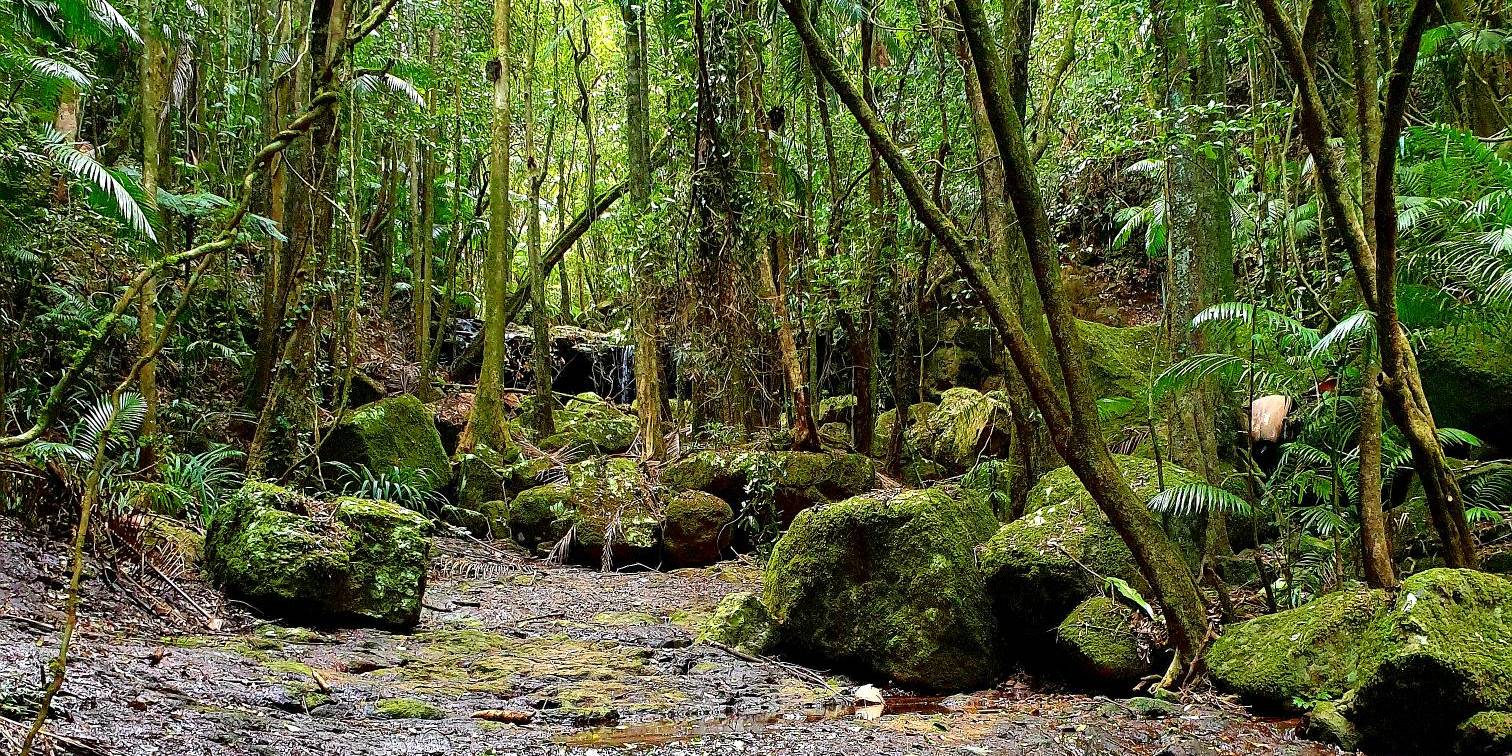
The NSW Government has created the first holistic adaptation plan to protect a World Heritage rainforest from climate change impacts – and now ground-breaking genetic science is giving some rare and threatened species a helping hand to adapt and evolve.
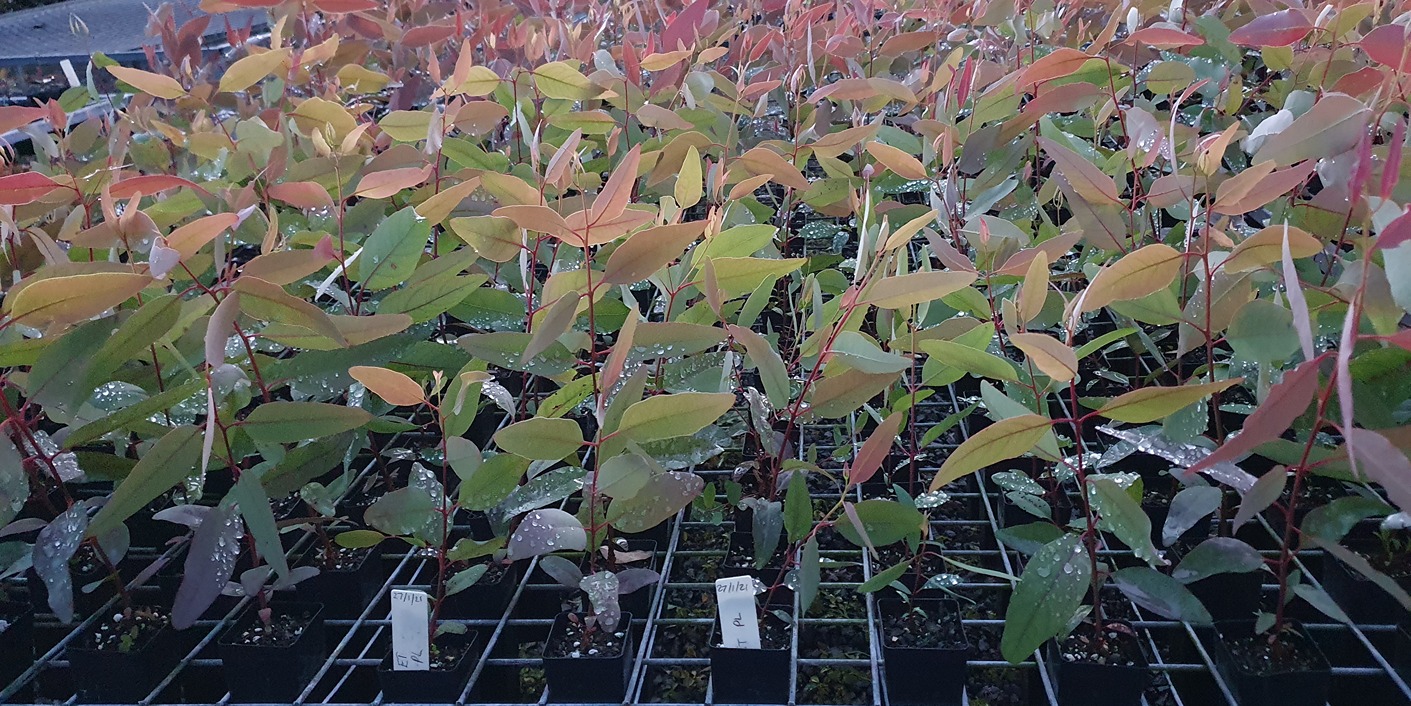
When a eucalypt tree can live for hundreds of years, revegetation programs must look far into the future due to Australia’s rapidly changing climate.
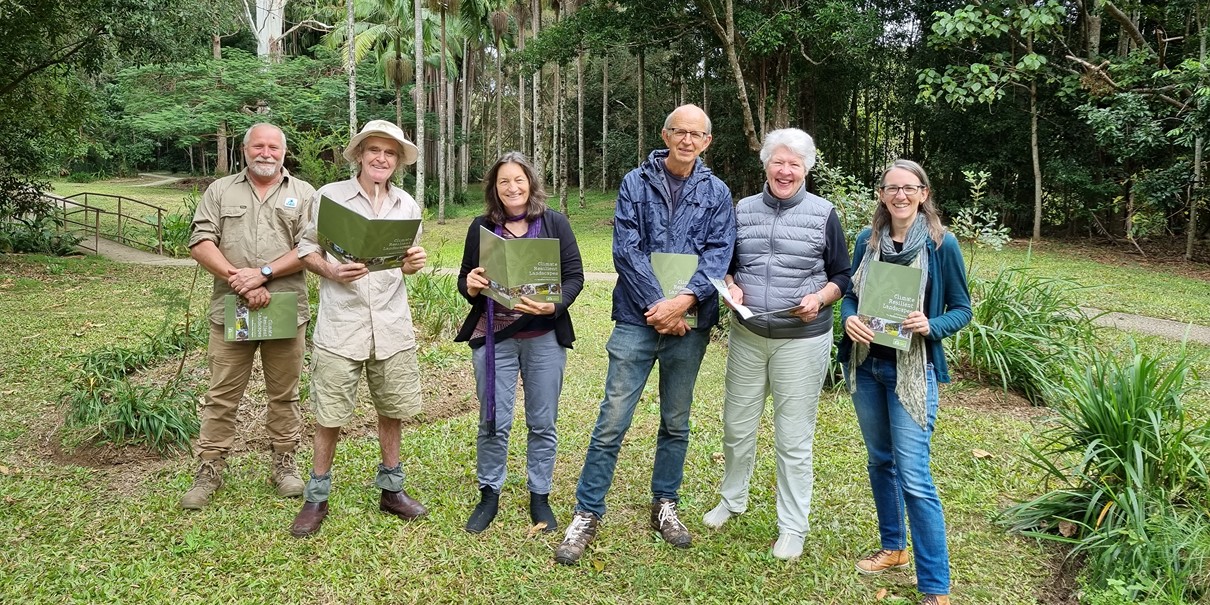
Brunswick Valley Landcare have developed a climate resilient landscapes guide to give the Northern Rivers tools to adapt to the impact of climate change.