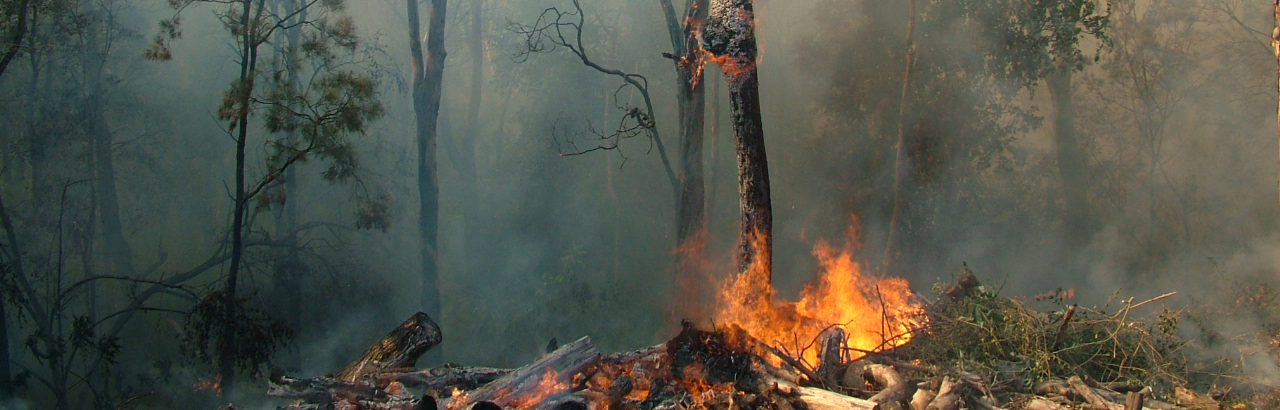
Key points
- Bushfires are natural processes, and the pattern, frequency, and intensity of fires is known as the fire regime. Australian fauna and flora have evolved adaptations that allow them to persist or even thrive under certain fire regimes.
- Dangerous bushfires can affect our lives, homes, economy and environment. When bushfires burn hotter, last longer or occur more frequently, they may change the fire regime beyond the tolerance of some species.
- The risk of dangerous bushfires has increased in NSW due to population expansion into bushland areas and increasing fire weather due to climate change.
- Increases in fuel dryness, fire weather and lightning strikes are together likely to result in more frequent bushfires.
- The NSW Government and the NSW Bushfire and Natural Hazards Research Centre are studying how bushfire risk and behaviour are changing in NSW, so that we can best adapt to limit their impact in the future.
Impacts of bushfires in NSW
Bushfires have always been a natural part of the Australian environment, and NSW is one of the most bushfire-prone regions in the world.
Bushfire events can have far-reaching impacts. These include loss of life, property and infrastructure. Bushfires can cause poor air quality, which can affect human and animal health, and can have long-lasting impacts on soil and water quality. Bushfires can also have devastating, and sometimes irreversible, impacts on plants, animals and ecosystems.
For example, NSW experienced extensive bushfires in spring and summer 2019–20. These fires burned around 5.5 million hectares of land, destroyed around 2,450 homes, and resulted in 26 deaths. Assessments show that fire affected the habitats of at least 293 threatened animals and 680 threatened plants.
How bushfires are affected by climate change in NSW
Climate change in NSW is having a significant effect on the predictability and length of the bushfire season. This presents new challenges to our ability to manage bushfires effectively.
Bushfire risk is the combination of:
- the chance of a fire occurring
- the potential impact the fire may have on people, property, culture and the environment.
Bushfire risk is affected by 4 main factors – fuel dryness, weather, ignition and fuel load. When these factors reach a certain threshold, they act as ‘switches’. All 4 switches must be on for a major fire to occur. When we try to understand the impacts of climate change on bushfires in NSW, we look at how climate change might affect the switches.
Fuel dryness determines the availability of fuel to burn. Dry fuels burn more easily than wet fuels, allowing bushfires to progress and potentially escalate. Understanding the dryness of the landscape helps to predict the likelihood and severity of a bushfire occurring in that region.
Climate models are used to look at changes in humidity, temperature and rainfall to determine how fuel dryness may change. Climate projections have predicted that NSW will experience an increase in the number of hot days over 35 degrees paired with variable rainfall. These conditions will dry the vegetation, increasing fuel dryness and therefore bushfire risk.
Weather is a key driver of bushfire risk. The risk of fire is increased with low rainfall and humidity, high temperatures and high wind speeds.
To understand how fire-weather conditions are changing, we look at historical records. By 2017, the frequency of dangerous fire-weather conditions across NSW had increased significantly since 1973.
Climate projections have also been used to assess changes in future fire weather. These projections indicate that severe fire weather will increase in NSW.
Increasing fire-weather conditions will make fires harder to control.
As seasonal patterns change, the window of opportunity for hazard reduction activities is also likely to shift or decrease.
Lightning is the main natural ignition source of bushfires in NSW. Human behaviour, both accidental and deliberate, is also a major cause of bushfire ignition. Both these ignition sources are likely to increase as the climate changes and our population grows. Climate change amplifies the risk of bushfire ignitions as lightning strikes (particularly dry lightning) become more frequent. This risk is compounded by extreme drought and weather conditions.
Fuel load is the amount of vegetation that can burn; both live plants and dead material like leaves, twigs and bark contribute to the fuel load. The type of vegetation, the fuel continuity (for example: continuous grass or scattered shrubs), and fuel structure (on the ground, in the understory, or in the canopy) all matter for how easily and how intensely that fuel will burn.
Fuel load influences how a fire behaves:
- When there is more fine fuel arranged continuously, fires spread faster and produce longer flames. A greater fuel load generally means a hotter, longer-lasting fire and an increased chance of spot fires.
- Under extreme fire-weather conditions or extreme dryness, the role of fuel load becomes less important, which is why fuel management is only one part of risk reduction.
Adapting to bushfire in NSW
By understanding the role that climate change plays in bushfires, we can adapt to the changing nature of our bushfire seasons and take action to help safeguard our communities and protect our biodiversity.
Ongoing research is helping us to understand the complicated relationship between climate change and the 4 switches of bushfires. With continued data collection, we can create better models to predict the severity and length of future bushfires and adapt our fire management strategies.
More broadly, the NSW Government is taking action on climate change through multiple pathways, including the Climate Change (Net Zero Future) Act 2023, the NSW Climate Change Adaptation Strategy and the NSW Climate Change Adaptation Action Plan 2025–2029.
Related information
Bushfires
Understanding fire weather - Australian Bureau of Meteorology
Understanding the effects of the 2019–20 fires - NSW Department of Planning and Environment
Climate change and bushfires
NSW Bushfire & Natural Hazards Research Centre – Western Sydney University
Climate Council – Bushfires and climate change information hub
Fire research – NSW Department of Climate Change, Energy, the Environment and Water
Managing bushfires
Applied Bushfire Science Program – NSW Government Natural Hazards Science Hub
NSW Bushfire and Natural Hazards Research Centre
Planning for fire – NSW National Parks and Wildlife Service
Planning for bushfire protection – NSW Rural Fire Service
Resilience NSW – Bushfire recovery assistance
Disaster adaptation planning – NSW Reconstruction Authority
Bushfire-Resilient Homes Toolkit Residents’ Guide (2021) – funded by NSW Government
Bushfire-Resilient Homes Toolkit Council Guide (2021) – funded by NSW Government
Bushfire-Resilient Homes Toolkit Industry Overview (2021) – funded by NSW Government
Case studies
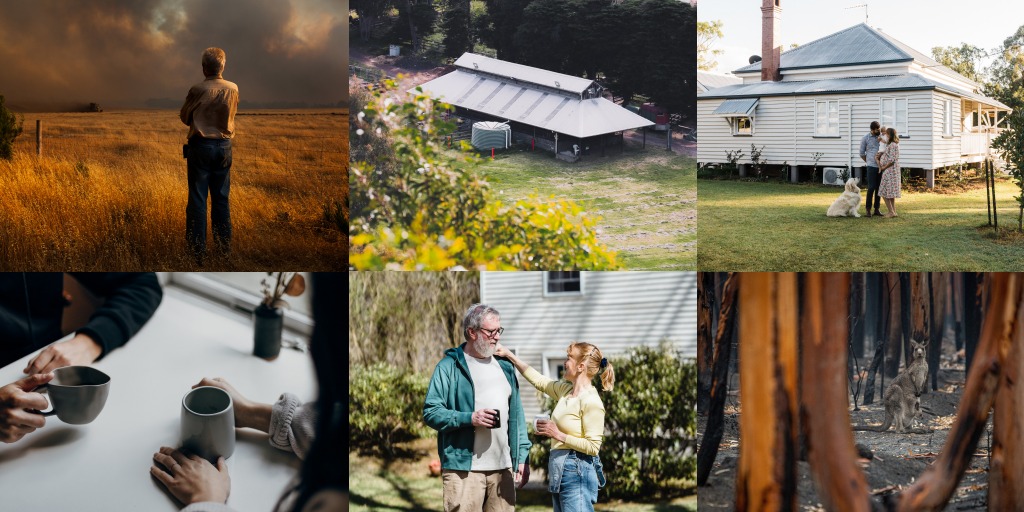
The CRJO and its partners created the Bushfire-Resilient Housing Toolkit to reframe bushfire risk to help prepare and build more resilient communities.
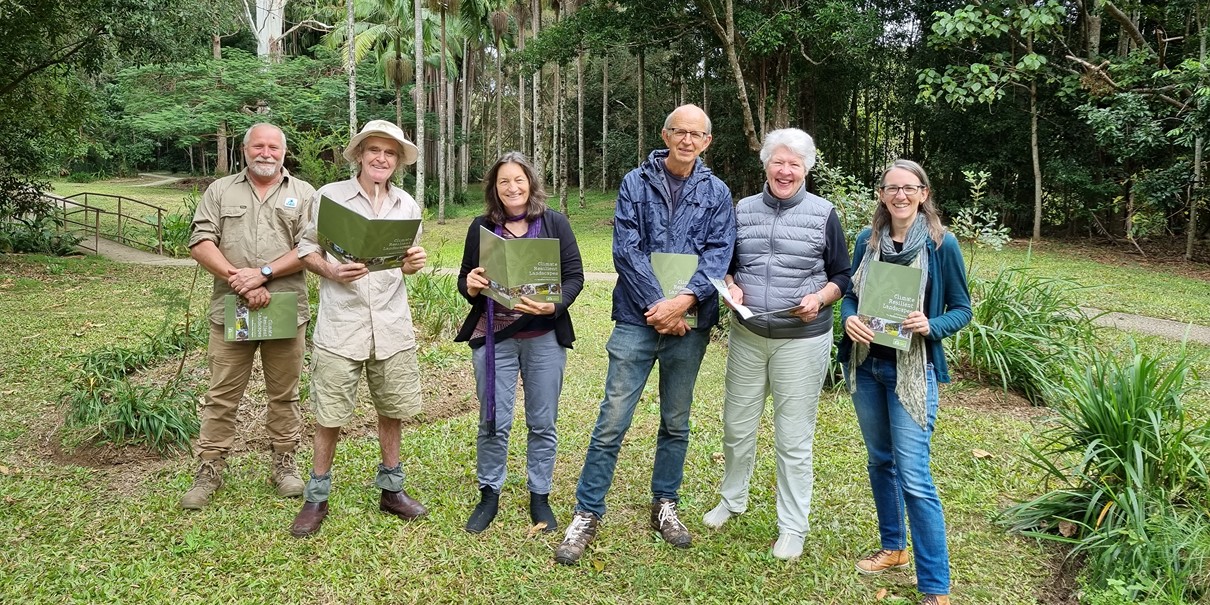
Brunswick Valley Landcare have developed a climate resilient landscapes guide to give the Northern Rivers tools to adapt to the impact of climate change.
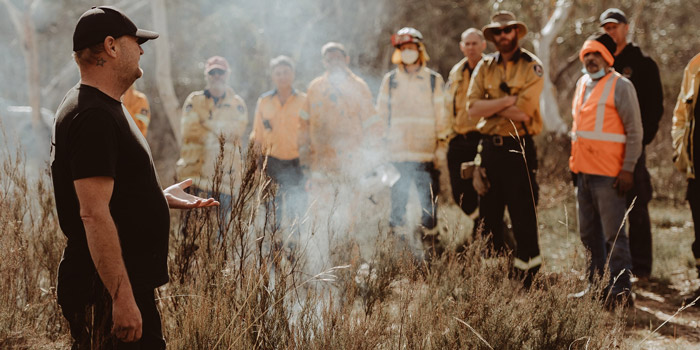
By reducing the potential for out-of-control fires, cultural burning can prevent danger to people, land, native wildlife and property.